Canker Sore Treatment: 12 Ways to Heal Mouth Ulcers Fast (2026 Guide)
Canker sores heal in 1-2 weeks on their own, but the right treatment eases the pain fast. Here is what works, from saltwater rinses to prescription options.
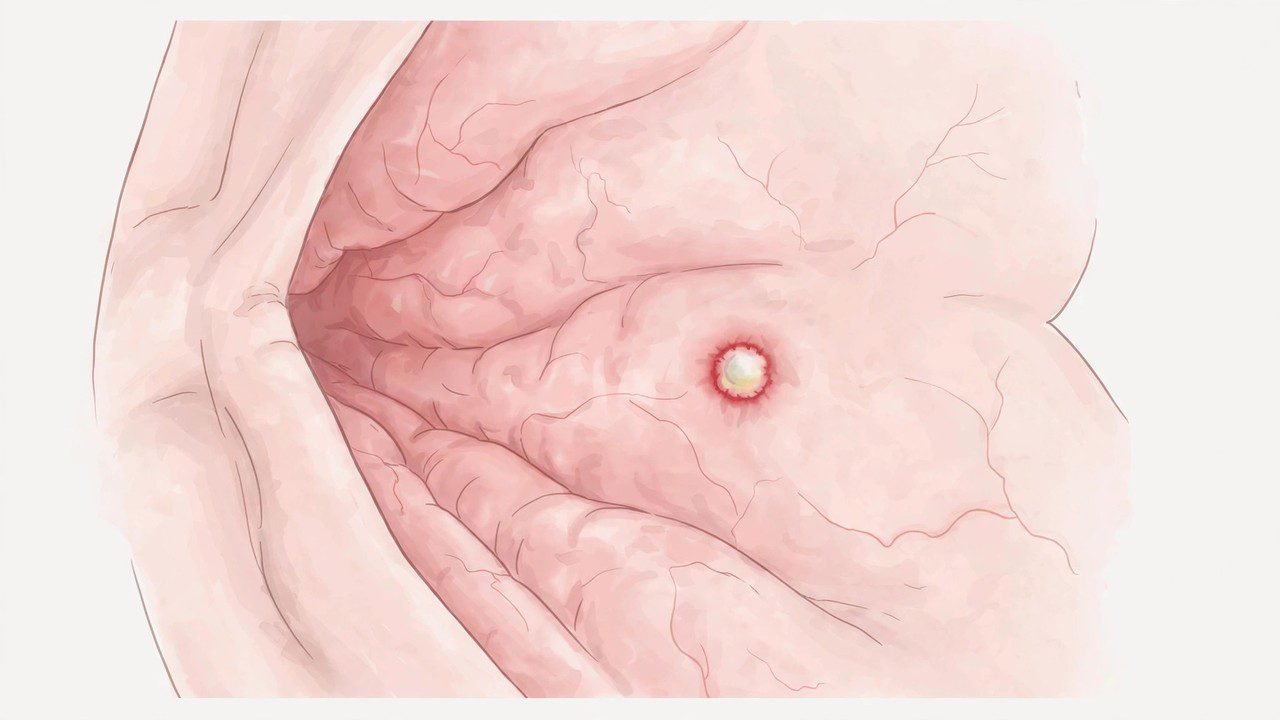
You know the feeling. You’re eating lunch, everything’s fine, and then — a sharp, bright sting on the inside of your cheek. You probe it with your tongue. There it is: a small, round, whitish sore with an angry red border. Congratulations, you have a canker sore, and for the next week or so, every meal, every sip of orange juice, and every enthusiastic tooth-brushing session is going to remind you it’s there.
Canker sore treatment doesn’t have to be complicated, though. The good news is that these little ulcers are harmless, not contagious, and they heal on their own — usually within one to two weeks. The better news is that there are straightforward things you can do to take the edge off the pain and help the healing along, from a simple saltwater rinse to over-the-counter gels to a few prescription options for stubborn cases.
This guide covers what canker sores actually are, what causes them, the home remedies and medical treatments that genuinely help, what to avoid while one heals, how to keep them from coming back, and — important — when a mouth sore is a sign you should see a doctor. Note: this article is for general information only and isn’t medical advice. If you’re unsure about a sore in your mouth, talk to a dentist or doctor.
In this article
What Is a Canker Sore?
A canker sore — doctors call it an aphthous ulcer — is a small, shallow lesion that forms on the soft tissues inside your mouth: the inner cheeks and lips, the tongue, the floor of the mouth, the soft palate at the back of the roof of your mouth, or the base of the gums. They typically look like round or oval spots, white or grayish-yellow in the center, ringed by a red border.
Most canker sores are minor: under about a centimeter across, painful for a few days, and gone within two weeks without leaving a scar. There are two less common types worth knowing about. Major canker sores are larger, deeper, can take weeks to heal, and may scar. Herpetiform canker sores — despite the name, they have nothing to do with herpes — are clusters of dozens of tiny pinpoint sores that can merge into one larger ragged ulcer. If your sores are large, numerous, or slow to heal, that’s a conversation for your dentist or doctor, not a home-remedy situation.
Two things people get wrong constantly: canker sores are not contagious (you can’t give one to someone by kissing or sharing a drink), and they are not the same thing as cold sores. Cold sores are caused by the herpes simplex virus, appear on the outside of the mouth — usually the lips — and are contagious. Canker sores always form inside the mouth.
Appearance: Round or oval, white/gray/yellow center with a red border.
Location: Soft tissues inside the mouth — cheeks, lips, tongue, soft palate, gums.
Contagious: No. Unlike cold sores, canker sores cannot spread person to person.
Typical healing time: 7–14 days for minor sores, without treatment.
What Causes Canker Sores?
Here’s the honest answer: nobody knows the exact cause. What researchers and clinicians do know is that canker sores aren’t caused by a virus or bacteria you “catch.” They seem to be an immune-system overreaction — the body’s defenses attacking a small patch of mouth tissue — and a long list of triggers can set that reaction off. If you get them repeatedly, one or more of these is probably your personal trigger:
- Minor mouth injuries. Biting your cheek, brushing too aggressively, a sharp tooth edge, dental work, braces, or a sports knock can all start one. This is the most common trigger people can actually identify.
- Stress and poor sleep. Emotional stress is one of the most consistently reported triggers, and flare-ups often arrive during exams, deadlines, or rough patches.
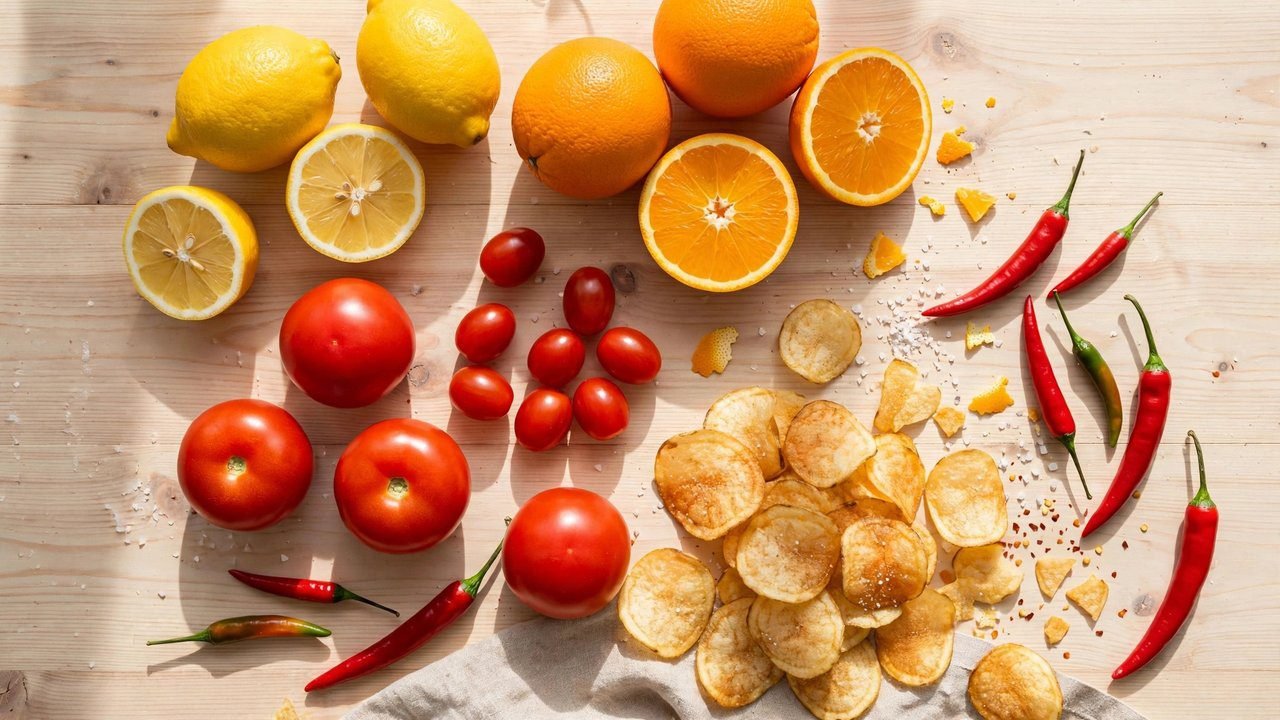
- Certain foods. Acidic and spicy foods (citrus fruit, tomatoes, hot sauce), chocolate, coffee, strawberries, eggs, nuts, and cheese are reported triggers for some people. Food sensitivities vary a lot person to person.
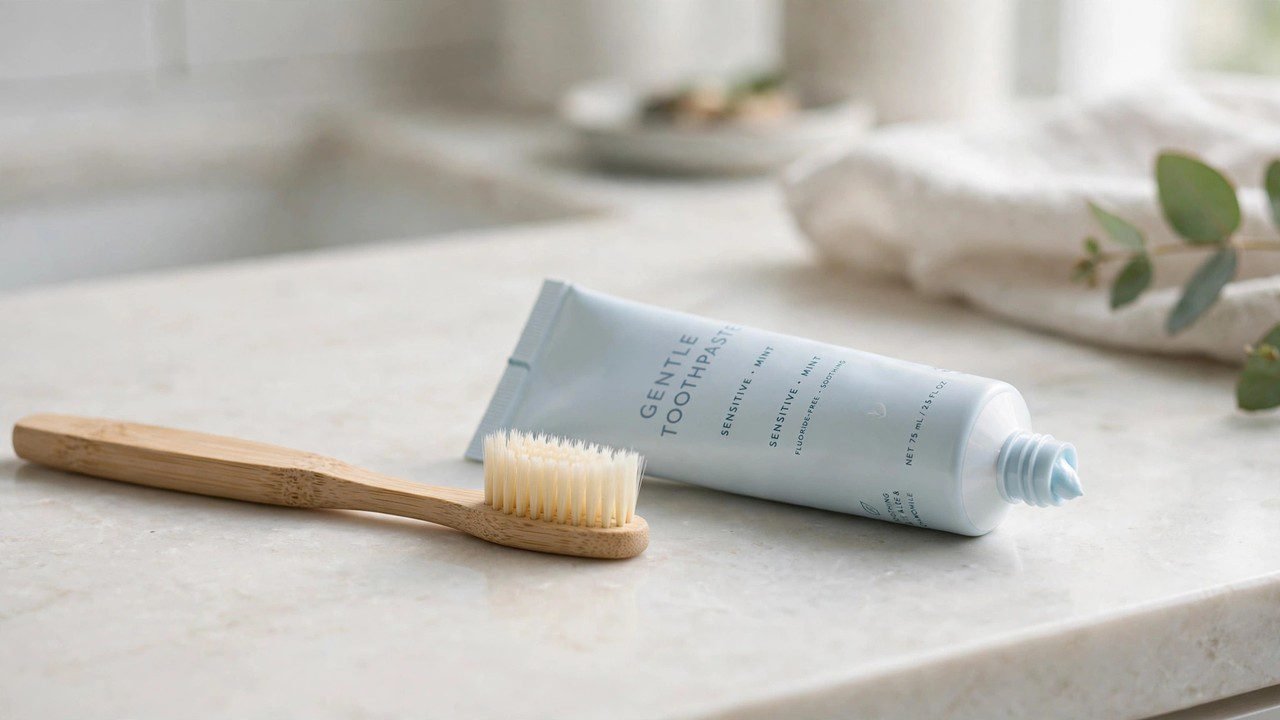
- Toothpaste and mouthwash ingredients. Sodium lauryl sulfate (SLS), the foaming agent in many toothpastes, is linked to canker sores in susceptible people. Switching to an SLS-free toothpaste helps some frequent sufferers noticeably.
- Nutrient deficiencies. Low levels of vitamin B12, iron, zinc, or folate are associated with recurrent canker sores. A blood test can check this if yours keep coming back.
- Hormonal shifts. Some women notice sores appearing around menstruation.
- Underlying conditions. Less commonly, recurrent mouth ulcers show up alongside celiac disease, inflammatory bowel diseases like Crohn’s disease and ulcerative colitis, Behçet’s disease, or weakened immunity (such as with HIV/AIDS). In these cases the sores are rarely the only symptom.
There’s also a genetic thread: canker sores tend to run in families. If your parents got them, your odds are higher. That doesn’t mean you’re stuck with them — it means prevention habits matter more for you.
Canker Sore Treatment That Actually Helps
Let’s be clear about expectations: there is no cure that makes a canker sore vanish overnight. Treatment is about two things — reducing pain and protecting the sore so it heals cleanly. Here’s what works, roughly in order from simplest to strongest.
Home Remedies
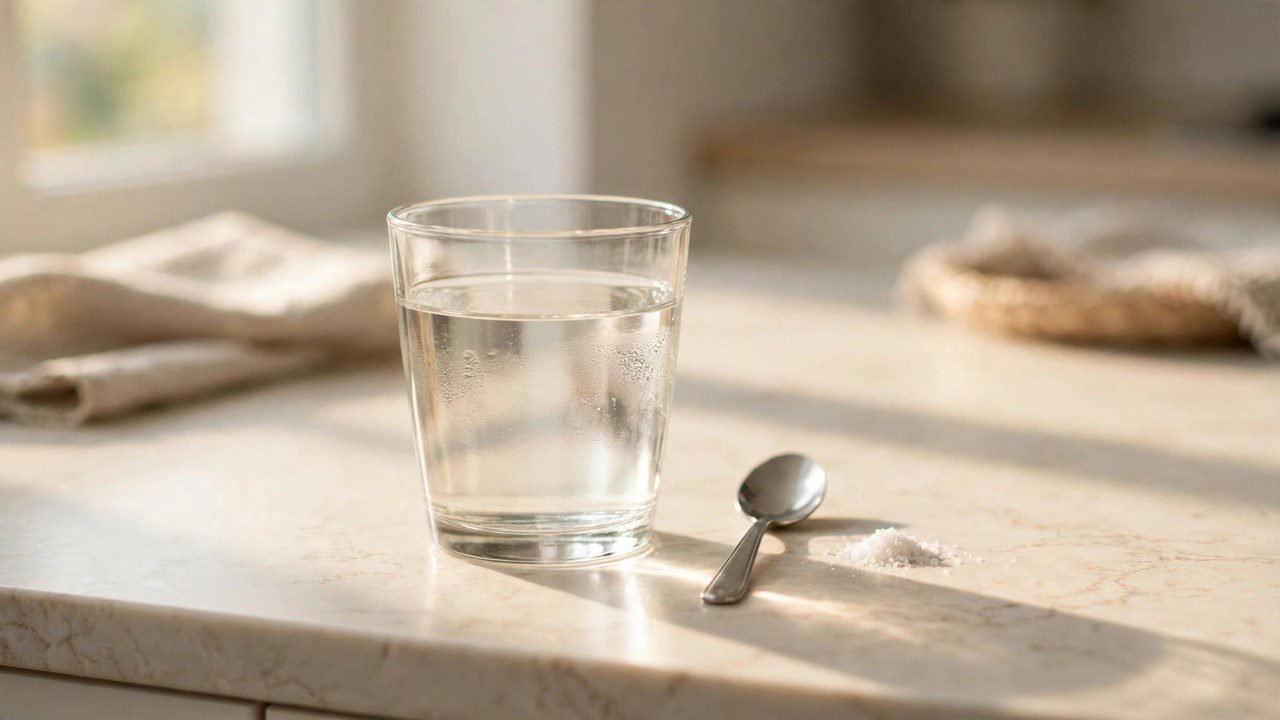
Saltwater rinse. The classic for a reason. Dissolve about a teaspoon of salt in half a cup of warm water, swish for up to 30 seconds, and spit. It stings briefly, but the rinse cleans the sore and the mild drying effect can speed healing. Repeat a few times a day. (Don’t apply dry salt directly to the sore — that just adds pain without benefit.)
Baking soda rinse or paste. A teaspoon of baking soda in half a cup of warm water works similarly as a rinse. Alternatively, mix a little baking soda with a few drops of water into a paste and dab it directly on the sore.
Milk of magnesia. Dabbing milk of magnesia on the sore several times a day coats it and may ease pain while neutralizing acids that irritate the ulcer.
Ice. Sucking on an ice chip or holding ice against the sore numbs the area temporarily. Simple, free, and surprisingly effective for short-term relief before a meal.
Hydrogen peroxide rinse. A diluted hydrogen peroxide mouth rinse can help cleanse the sore. Use it as directed on the product label — undiluted, it’s too harsh for mouth tissue.
Over-the-Counter Options
Topical numbing gels and pastes. Products containing benzocaine or lidocaine (brands like Orajel and Anbesol are the familiar names) numb the area for a while. Barrier pastes (such as those based on the product Orabase) coat the sore and shield it from irritation while you eat and talk.
Pain relievers. Ibuprofen or acetaminophen taken as directed can take the edge off, especially in the first couple of days when the pain is worst. This treats the symptom, not the sore — but sometimes that’s exactly what you need to get through dinner.
Antimicrobial mouth rinses. Rinses containing ingredients like chlorhexidine can keep the sore clean and reduce the chance of secondary irritation. Ask a pharmacist which is appropriate; these aren’t for indefinite daily use.
What a Doctor or Dentist Can Prescribe
If your sores are large, frequent, or not responding to the above, a clinician has stronger tools:
- Prescription corticosteroid pastes or rinses (such as triamcinolone dental paste or dexamethasone rinse) calm the immune overreaction directly and are the most effective medical treatment for stubborn sores.
- Stronger topical anesthetics for severe pain.
- Oral medications for recurrent, severe cases — in some situations doctors prescribe drugs like doxycycline (as a rinse or course) or other immune-modulating medications.
- Cautery — chemically or thermally sealing the ulcer — is occasionally used for severe sores to relieve pain and speed healing.
A doctor will often order blood tests first if your sores keep recurring, to check for the nutrient deficiencies or underlying conditions mentioned above. Treating the cause beats treating the sore.
The Day-by-Day Healing Timeline
Knowing what’s normal keeps you from worrying. A typical minor canker sore follows a predictable arc:
| Day | What’s Happening | What to Do |
|---|---|---|
| 1–2 | Tingling or burning before the sore appears; then the white-centered ulcer forms. Pain is at its worst. | Numbing gel before meals, saltwater rinses, soft foods, ice for flare-ups. |
| 3–5 | The sore is fully formed and still tender, but the sharpest pain usually starts easing. | Keep rinsing, avoid acidic/spicy foods, don’t poke it with your tongue (easier said than done). |
| 6–10 | The sore shrinks, the red border fades, eating gets noticeably easier. | Maintain gentle oral hygiene; you can taper off treatments. |
| 10–14 | Healed, usually without a scar. | If it’s not clearly healing by day 14, see a clinician. |
What to Eat (and Avoid) While It Heals
Food doesn’t cause the sore, but the wrong food at the wrong time can turn a dull ache into a memorable one. For the few days the sore is at its angriest:
Go easy on: citrus fruits and juices, tomatoes and tomato sauce, vinegar-based dressings, spicy foods, salty snacks like chips and pretzels (the sharp edges are a double insult), carbonated drinks, alcohol, and very hot food and drinks.
Stick with: soft, cool, bland foods — yogurt, mashed potatoes, scrambled eggs, oatmeal, smoothies, bananas, cooked vegetables. Cool foods tend to soothe; the cold slightly numbs the area. Cut food into smaller pieces and chew on the opposite side of your mouth.
This isn’t a diet overhaul — it’s a few days of tactical eating. Once the pain fades, eat normally again.
How to Stop Them Coming Back
You can’t guarantee you’ll never get another one, but frequent sufferers can usually cut the frequency significantly:
- Switch to an SLS-free toothpaste. This single change helps a meaningful share of people who get recurrent sores. Check the ingredients panel for sodium lauryl sulfate.
- Brush gently with a soft-bristled brush and floss daily — clean mouths get fewer sores, but aggressive brushing causes the micro-injuries that trigger them. Technique matters more than force.
- Learn your food triggers and moderate them. Keep a rough mental note: did a sore appear two days after the extra-spicy tacos? Patterns emerge.
- Manage stress and sleep. Not exactly groundbreaking advice, but the stress–canker-sore link is one of the best-documented triggers. Regular sleep and whatever actually calms you down count as prevention.
- Fix the mechanical causes. Sharp tooth edges, rough dentures, or braces hardware that keeps catching your cheek can be smoothed or covered — ask your dentist.
- Check your nutrition if sores are frequent. A simple blood test can reveal B12, iron, or folate deficiencies worth correcting.
Canker Sore vs. Cold Sore: What’s the Difference?
This confusion causes a lot of unnecessary worry (and a lot of people buying the wrong product). Here’s the clean distinction:
| Canker Sore | Cold Sore | |
|---|---|---|
| Cause | Unknown; immune overreaction with various triggers | Herpes simplex virus (HSV-1) |
| Location | Inside the mouth only | Usually outside the mouth — lips, corners of the mouth |
| Contagious | No | Yes, especially when blisters are present |
| Appearance | Round white/gray ulcer with red border | Clusters of fluid-filled blisters that crust over |
| Treatment | Pain relief, protective pastes, steroid treatments | Antiviral creams or pills work best early |
When to See a Doctor
Most canker sores are a minor annoyance. See a dentist or doctor promptly if any of these apply:
- The sore hasn’t started healing after two weeks
- Sores are unusually large (major canker sores) or you have many at once
- New sores keep appearing before old ones heal — genuinely recurrent outbreaks
- You have severe pain that makes eating or drinking difficult
- The sores spread or are accompanied by fever, or you’re unsure the sore is actually a canker sore at all
These red flags matter because a sore that won’t heal can occasionally be something else, and recurrent ulcers can be the visible tip of a nutritional deficiency or an underlying condition worth diagnosing. For trustworthy health explainers written in plain language, Daily Orvix is worth a browse alongside this guide.
Frequently Asked Questions About Canker Sore Treatment
How do you get rid of a canker sore fast?
There’s no instant cure, but you can shorten the misery: rinse with salt water several times a day, apply a benzocaine or lidocaine numbing gel before meals, dab on milk of magnesia or a baking-soda paste, and avoid acidic and spicy foods. Prescription steroid pastes from a dentist heal stubborn sores faster than anything over the counter.
Are canker sores contagious?
No. Canker sores are not caused by a virus and cannot spread from person to person through kissing, sharing utensils, or any other contact. Cold sores, which look different and appear outside the mouth, are contagious — that’s the one people confuse them with.
Does salt water help canker sores?
Yes, as a rinse — not as dry salt pressed on the sore. Dissolve a teaspoon of salt in half a cup of warm water, swish for up to 30 seconds, and spit. It cleans the ulcer and may speed healing. Repeat a few times daily.
What causes canker sores to keep coming back?
Common culprits for recurrent sores: ongoing stress, repeated cheek-biting or aggressive brushing, toothpaste containing sodium lauryl sulfate, food sensitivities, and deficiencies in B12, iron, zinc, or folate. Less commonly, conditions like celiac disease or inflammatory bowel disease are involved. If yours recur constantly, get blood work done rather than just treating each sore.
How long do canker sores last?
Minor canker sores typically heal in 7 to 14 days without treatment, with the worst pain in the first few days. Major canker sores can take several weeks and may scar. Anything not healing after two weeks deserves a professional look.
Should I pop or pick at a canker sore?
No. There’s nothing to pop — it’s an ulcer, not a blister — and picking at it only enlarges the wound, increases pain, and risks infection. Leave it alone and let it heal.
Can toothpaste cause canker sores?
For some people, yes — specifically toothpastes containing sodium lauryl sulfate (SLS), the detergent that makes toothpaste foam. If you get frequent sores, switching to an SLS-free toothpaste is one of the simplest experiments you can run.
Read Also: 2026 Honda Accord: Trims, Price, Specs & What’s New (Complete Guide)

Related Articles

Whippets: The Gentle Speedster Dog Breed (2026 Guide)
Whippets combine sprint speed with a calm, affectionate home life. This guide covers what the breed…
Granulation Tissue Explained (2026 Guide): What It Is, How Wounds Heal & Warning Signs
That pink, bumpy tissue in a healing wound has a name - granulation tissue. Here is…

How to Wash a Wool Blanket (2026 Guide): Hand Wash and Machine Steps
Wool blankets need gentle care to stay soft and shrink-free. This guide covers hand washing, machine…