How to Drive a Manual Car: Complete Beginner’s Guide to Manual Transmission Driving
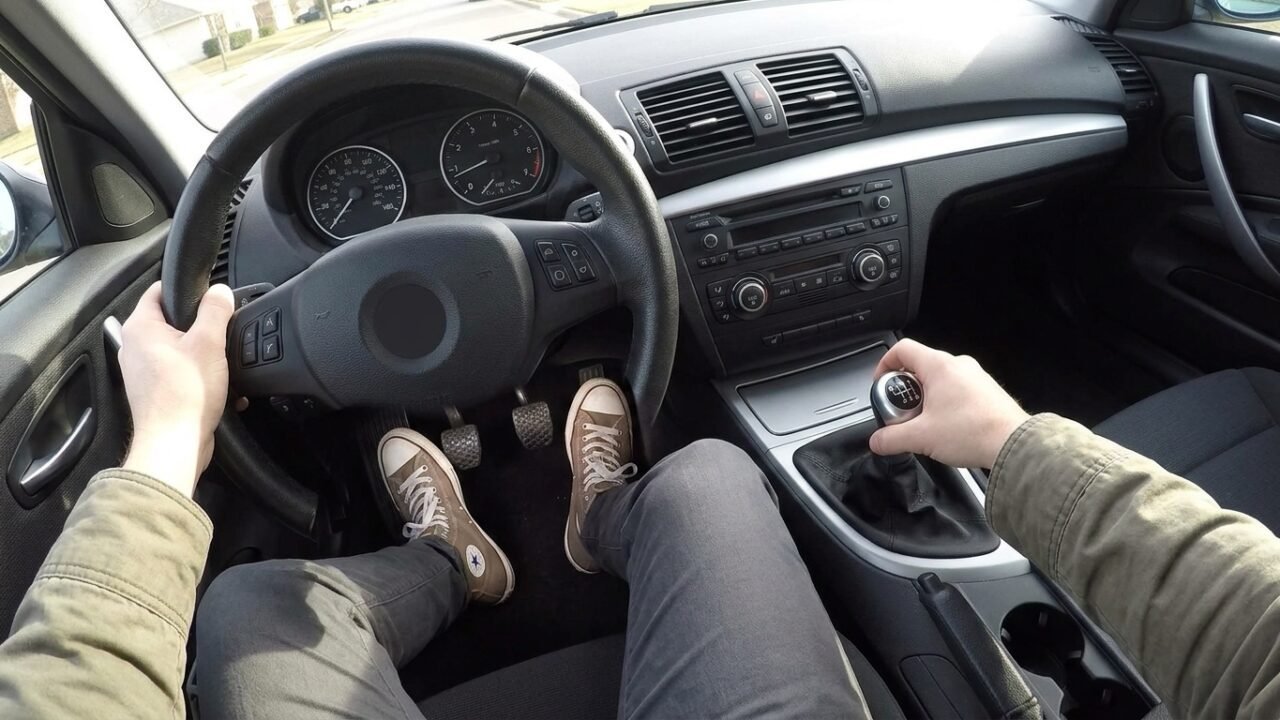
I remember the first time I sat behind the wheel of a manual car. My palms were sweating, my foot was hovering over the clutch pedal, and I had absolutely no idea what I was doing. The salesman had given me a quick five-minute tutorial, which consisted mostly of him pointing at different pedals and saying things like “smooth is smooth.” Not exactly helpful when you’re about to stall out on a busy street for the hundredth time.
Looking back now, after years of driving various manual transmission vehicles, I realize that driving a manual car isn’t actually as complicated as it first seems. It’s more about understanding the mechanics, building muscle memory, and practicing until those movements become second nature. If you’re considering learning how to drive a manual car or you’re just starting out, I want to help you avoid some of the frustration I experienced.
Why Should You Learn to Drive a Manual Car?
Before we get into the nitty-gritty of how to actually drive a manual car, let me explain why this skill is still valuable. You might be thinking, “Why would I want to drive a manual when I can just cruise around in an automatic?” That’s a fair question, and honestly, the answer depends on your situation.
First, there’s the practical reason. If you’re someone who travels internationally or frequently rents vehicles in Europe, Asia, or other parts of the world, you’ll find that manuals are far more common than automatics. I learned this the hard way when I traveled to Portugal and discovered that almost every rental car had a stick shift. Second, many people genuinely enjoy the connection they feel with their vehicle when driving a manual. There’s something satisfying about being actively involved in the driving process rather than letting the car handle everything automatically. Third, manual cars are often less expensive both to purchase and to maintain. Finally, if you ever find yourself stranded with someone else’s manual car, you’ll actually be able to drive it instead of calling for help.
Understanding Your Manual Transmission Components
To drive a manual car effectively, you need to understand what’s actually happening under the hood. The manual transmission system has three main components that you’ll be interacting with as a driver. These are the clutch pedal, the gear shift, and the accelerator pedal.
The clutch pedal is the leftmost pedal in a manual car, and it’s something you won’t find in an automatic. When you press the clutch pedal all the way down, you’re disconnecting the engine from the transmission, which allows you to change gears without grinding or damaging the vehicle. The clutch works through friction, and there’s a specific point where this friction begins to engage the engine and transmission together. This point is called the bite point, and finding this point smoothly is one of the most important skills you’ll develop.
The gear shift is the stick in the middle of your car’s center console. It has several positions, typically ranging from first through fifth or sixth gear, with a reverse position as well. The specific positions depend on your vehicle, but most manual cars follow a similar gate pattern. First gear is always positioned to help you get the car moving from a standstill. As you build speed, you progressively shift into higher gears, which allow you to maintain speed while using less engine power and fuel.
The accelerator pedal, commonly called the gas pedal, works similarly in manual and automatic cars. The main difference is that in a manual, your engine revolutions per minute, or RPM, will drop significantly when you disengage the clutch, so you’ll need to be more conscious of your RPM levels when shifting.
Getting Comfortable in the Driver’s Seat
Before you even think about starting the engine, spend some time just sitting in the car and getting familiar with everything. Adjust your seat so that your legs have a comfortable bend in them, and your feet can reach all three pedals easily. Many people make the mistake of sitting too far forward or too far back, which causes unnecessary tension and makes clutch control harder.
Once you’re comfortable with your seating position, practice moving the gear shift without the engine running. This helps you get a feel for how much force you need to use. Don’t worry about damaging anything by shifting without the engine on. You can also press down the clutch pedal repeatedly to understand how much pressure you need to fully disengage the clutch. You’ll notice that the pedal requires more effort than the accelerator. This is normal, and your leg will get stronger as you practice.
Take time to locate all the controls you’ll need. Identify where the handbrake or parking brake is located, understand how to turn the ignition key or push the start button, and know where your windshield wipers and other essential controls are. Familiarizing yourself with these details before you start driving means you won’t be distracted or panicked when you’re actually trying to focus on the more complex task of managing the clutch and gears.
Starting Your Manual Car the Right Way
Now comes the moment when you actually start the engine. Make sure the car is in neutral first. In neutral, the gear shift should be in the middle position, not engaged with any particular gear. Some cars require you to press the clutch pedal to start the engine, while others don’t. Check your car’s manual or ask the person who knows the car best.
Once you’ve confirmed the car is in neutral, press the brake pedal firmly with your right foot and turn on the ignition. The engine should come to life. If it doesn’t, don’t panic. Common reasons include the car not being in neutral or the battery being low. If your car does start successfully, listen to the engine sound for a moment. A manual car at idle typically runs at around 700 to 1000 RPM.
Now that the engine is running, you’re ready to move. Press your left foot down on the clutch pedal all the way to the floor. This completely disconnects the engine from the wheels, so the car won’t move even though the engine is running. While keeping the clutch pressed down, gently shift into first gear. You’ll feel a slight resistance as the gear engages. Don’t be alarmed. This is exactly what should happen.
Finding the Bite Point: The Most Important Skill
Here’s where the real learning begins. The bite point is the position where the clutch starts to engage the engine and transmission, creating a connection that begins to move the car forward. Finding this point smoothly is the single most important skill you need to develop when learning how to drive a manual car.
With your car in first gear and your foot fully pressing the clutch pedal, move your right foot from the brake pedal to the accelerator. Don’t press the accelerator yet. Instead, very slowly and deliberately, begin to release the clutch pedal. Do this gradually, lifting your foot just a millimeter at a time. As you release the clutch, listen to the engine sound. At some point, the engine note will change slightly, and you might feel the car wanting to move forward even though you haven’t touched the accelerator. This is the bite point, and it’s where the magic happens.
When you feel the car beginning to move, stop releasing the clutch and hold your foot steady at that position. This might feel uncomfortable at first, and you might be worried that you’re doing something wrong, but you’re actually on the right track. The car might move very slowly or even stall, and both of these outcomes are completely normal when you’re learning.
Moving Forward and Building Momentum
Once you’ve found the bite point and the car is moving forward, very gently press on the accelerator. Not too hard. Many beginners jab the accelerator, which causes the car to lurch forward or stall. Instead, apply steady, gentle pressure. As you give the engine more gas, continue releasing the clutch pedal in a controlled manner. The combination of gradually releasing the clutch while gently feeding in throttle is what creates a smooth, jerky-free start.
This whole process might take five to ten seconds, and that’s completely fine. Smooth is absolutely better than fast when you’re learning. As you continue releasing the clutch, you’ll eventually reach a point where the clutch pedal has no more resistance. At this point, the clutch is fully engaged, and you can press it down no further. Remove your foot from the clutch completely and focus on maintaining steady acceleration with the gas pedal.
I remember my first successful smooth start. It wasn’t anything spectacular to anyone watching, but to me, it felt like I’d just landed on the moon. The car moved forward without jerking, without stalling, and without my heart rate spiking. That’s the feeling you’re working toward, and I promise you’ll get there with practice.
Shifting Into Higher Gears Smoothly
Once you’ve been accelerating in first gear for a few seconds and your speed reaches around 10 to 15 miles per hour, it’s time to shift into second gear. First, press the accelerator to increase your RPM slightly. Listen to the engine sound, and you’ll notice it gets higher as you press the accelerator. When your RPM reaches around 2000 to 2500, it’s time to shift.
Press the clutch pedal all the way down to the floor. This disconnects the engine again, allowing you to change gears without grinding. While the clutch is pressed down, move the gear stick from first to second. It takes just a split second. Once you’ve shifted into second gear, release the clutch pedal gradually just like you did at the start, while simultaneously pressing the accelerator. The process is almost identical to what you did when moving from a standstill.
As you build experience, these movements become faster and more fluid. The pause between pressing the clutch and releasing it becomes shorter. Your throttle application becomes more intuitive. Before long, you’re not thinking about each individual step. Your hands and feet are working together automatically.
Highway Driving and Continuous Acceleration
Driving on highways in a manual car feels very different from driving in town. On the highway, you’re typically accelerating more smoothly, and you might shift into higher gears more frequently. Let’s say you’ve successfully reached third or fourth gear on a highway on-ramp. Your speed is building, and the engine RPM is still relatively high because you’re in a lower gear.
The principle remains the same as shifting from first to second. When your RPM reaches the appropriate level, usually somewhere between 2000 and 3000 depending on your car, press the clutch, shift up, and smoothly release the clutch while applying throttle. On the highway, these shifts often happen in rapid succession, and that’s perfectly normal.
One thing many new manual drivers don’t realize is that you don’t always have to shift into the next gear in sequence. If you’re in third gear and your engine RPM is low, you can actually skip a gear and shift directly into fifth. This is called skip shifting, and it’s perfectly acceptable. However, when you’re starting out, it’s easier to shift sequentially. It gives you more control and helps you understand how each gear feels and sounds.
Downshifting and Slowing Down
Learning to slow down smoothly is just as important as learning to speed up. When you need to reduce speed, press the brake pedal with your right foot. As your speed decreases and your RPM drops, you’ll eventually need to downshift into a lower gear to maintain engine smoothness and control.
There are two ways to downshift. The simpler method is to press the clutch pedal while braking, shift down into a lower gear, and then gradually release the clutch while applying a tiny bit of throttle. The second method is called rev matching, which is an advanced technique where you blip the accelerator pedal to increase the engine RPM before releasing the clutch on the downshift. This makes the downshift smoother and puts less stress on your transmission. When you’re starting out, stick with the simpler method until you feel confident.
Hill Starts: Mastering Slopes and Inclines
Driving uphill in a manual car presents a unique challenge. You’re essentially trying to balance the weight of the car on the clutch bite point while preventing it from rolling backward. Here’s the technique that works for most people.
Approach the hill and position your car as normal. Press the brake pedal firmly and hold it while you press the clutch all the way down. Shift into first gear. Now, instead of using the handbrake like some people suggest, use the brake pedal to hold the car stationary. Gradually release the clutch until you reach the bite point. You’ll feel the car wanting to move forward. At this exact moment, quickly transfer your foot from the brake pedal to the accelerator while maintaining the clutch position. Apply gentle throttle and continue releasing the clutch as the car starts climbing the hill.
This technique requires practice, but it’s more reliable than relying on the handbrake, which can cause jerking movements. Once you’ve mastered this, hill starts become much less stressful.
Common Mistakes and How to Avoid Them
One of the biggest mistakes I see new manual drivers making is riding the clutch. This means keeping your foot partially on the clutch pedal even after you’ve engaged the gear and started moving. This causes the clutch to wear out prematurely and creates a burning smell. Once you’ve released the clutch to the point where it’s fully engaged, take your foot off the pedal completely.
Another common issue is shifting too early or too late. If you shift before your engine RPM is high enough, the car will lurch and might stall. If you shift too late, your engine will be screaming, which puts unnecessary stress on the motor. Listen to your engine and develop a feel for the right time to shift. Most modern manual cars feel comfortable shifting somewhere between 2000 and 3000 RPM.
Many beginners also fail to fully depress the clutch when shifting. This causes grinding sounds and potential transmission damage. Always press the clutch all the way to the floor before shifting. There’s no such thing as partially disengaging the clutch when you’re shifting gears.
Building Confidence Through Consistent Practice
I can’t stress this enough: you become comfortable driving a manual car through consistent practice, not through reading articles or watching videos. Every car feels slightly different. Some have heavy clutches, others are feather-light. Some have bite points high up in the pedal travel, while others engage very low. The only way to truly master these differences is by spending time behind the wheel.
Start in empty parking lots where there’s no pressure. Practice finding the bite point repeatedly until your muscle memory starts taking over. Practice hill starts on small inclines before attempting steep hills. Practice shifting on straight roads before navigating through traffic. Build your skills progressively, and don’t rush the process.
Conclusion
Learning how to drive a manual car is a skill that takes time, patience, and practice to develop properly. The good news is that it’s absolutely achievable for anyone with the determination to learn. I started out terrified of stalling in front of other people, and now I can smoothly launch from a standstill without even thinking about it. You can get there too.
Remember that everyone makes mistakes when they’re learning. You’ll stall. Your shifts will be jerky. You’ll grind the gears occasionally. These aren’t failures. They’re part of the learning process. Each time something goes wrong, you learn something about how your specific car behaves. Each successful smooth start builds your confidence for the next one.
The skills I’ve outlined in this guide will get you started, but real mastery comes from applying these techniques over weeks and months of actual driving. Find a safe place to practice, take your time with each maneuver, and gradually work up to more challenging driving situations. Before long, driving a manual car will feel as natural as driving an automatic, and you’ll wonder why it seemed so intimidating in the first place.
FAQ
Q: Why does my manual car keep stalling when I try to start moving?
A: Stalling usually happens because you’re releasing the clutch too quickly before you’ve applied enough throttle, or you’re not reaching the bite point before releasing the pedal. Practice finding the bite point slowly, and don’t release the clutch completely until you feel the car engaging smoothly.
Q: What RPM should I shift gears at?
A: Most manual cars shift most smoothly between 2000 and 3000 RPM, but this varies by vehicle. Check your car’s manual for specific recommendations, and listen to your engine to develop a feel for the right shift points.
Q: Can I shift into neutral while driving to coast and save gas?
A: While you technically can, it’s not recommended because you lose engine braking and control. Modern cars have fuel-efficient engines that actually use less gas when you leave the car in gear and ease off the accelerator.
Q: What does clutch bite point mean exactly?
A: The bite point is the position in the clutch pedal’s travel where the engine and transmission begin to engage with each other. At this point, you’ll feel the car wanting to move forward before you’ve applied any throttle.
Q: Is double clutching really necessary?
A: Double clutching is an advanced technique that smooths out downshifts and was more important in older vehicles. Modern cars with synchronized transmissions don’t require it, though it can still be useful in performance driving situations.
Q: How long does it typically take to learn manual transmission driving?
A: Most people become reasonably comfortable within a few weeks of regular practice. Developing true mastery takes several months to a year of regular driving.

Related Articles

Famous Landmarks (2026 Guide): The World’s Most Iconic Places to Know
From ancient wonders to modern icons, famous landmarks tell the story of human ambition. Here are…

Why Lifelong Learning Beats a Single Degree
The half-life of skills keeps shrinking. Why the people who keep learning, deliberately and continuously, end…

How to Wash a Wool Blanket (2026 Guide): Hand Wash and Machine Steps
Wool blankets need gentle care to stay soft and shrink-free. This guide covers hand washing, machine…
1 Comment