CBR1000RR (Explained): Honda’s Legendary Fireblade Superbike
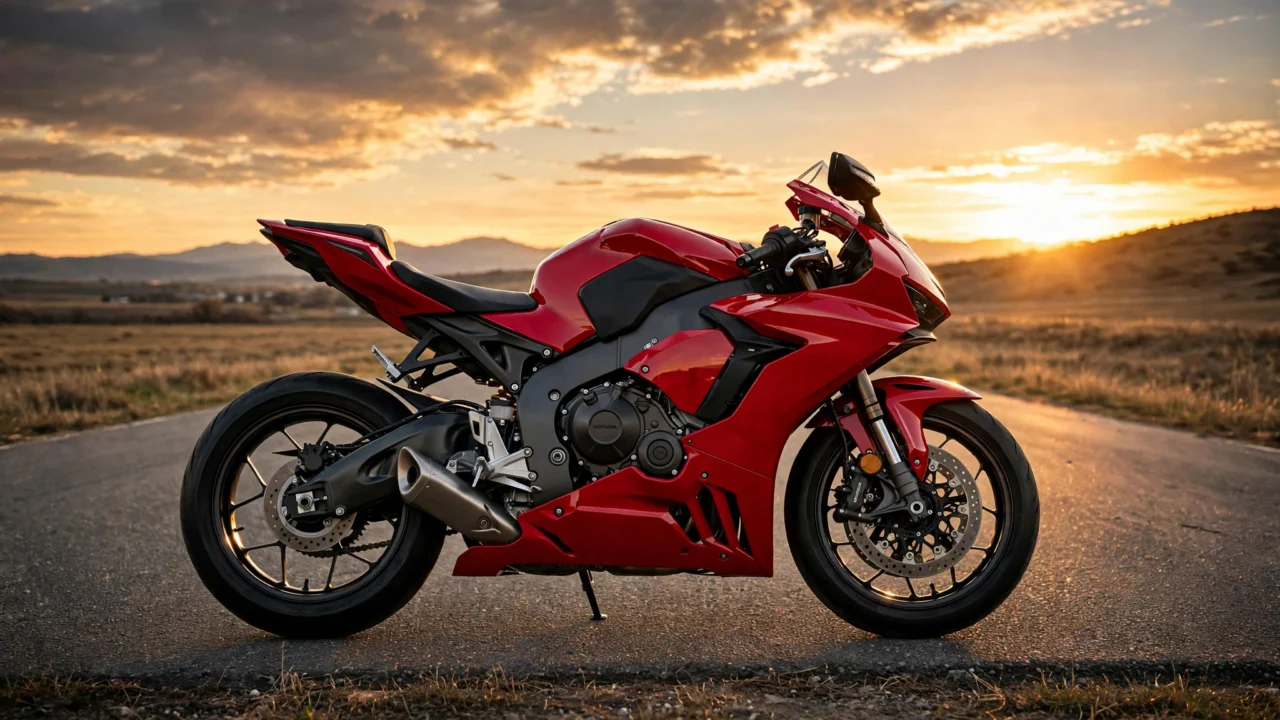
The Honda CBR1000RR, better known as the Fireblade, has been the benchmark litre-class superbike since 2004. Here's its story — from racing roots to the modern RR-R.
In this article
Say the word “Fireblade” to any motorcyclist and watch their face change. For over three decades, Honda’s flagship superbike has been the machine other litre-class bikes are measured against — the one that proved a 1000cc motorcycle could be both brutally fast and genuinely usable. The CBR1000RR is the modern chapter of that story, and whether you’re a curious newcomer or a seasoned rider, it’s a bike worth understanding.
In this guide, we’ll explain what the CBR1000RR actually is, trace the Fireblade story from its 1990s origins to today’s RR-R, break down the key specifications in plain language, and answer the questions everyone asks — including the honest one about whether you should buy one as your first big bike. (Spoiler: probably not, and we’ll explain why.)
What Is the CBR1000RR?
The CBR1000RR is Honda’s flagship litre-class superbike — a road-legal racing motorcycle with an engine of roughly one litre (999cc) that sits at the very top of Honda’s sportbike range. “CBR” is Honda’s long-running sportbike naming prefix, “1000” refers to the engine size class, and “RR” stands for “Race Replica,” signaling that the bike is derived from racing technology. In many markets it’s also known by its legendary nickname: the Fireblade.
To put it in context, motorcycles are loosely grouped by engine size. A 125cc bike is a commuter; a 600cc machine is a serious sportbike; and the 1000cc “litre class” is the superbike tier — the fastest, most powerful production motorcycles you can buy and ride on public roads. The CBR1000RR competes directly with rivals like Yamaha’s YZF-R1, Kawasaki’s Ninja ZX-10R, BMW’s S 1000 RR, and Ducati’s Panigale V4. Among that elite group, the Honda has built its reputation not on having the wildest numbers, but on being the most refined and rider-friendly of the bunch.
It’s worth knowing the bike exists in two closely related forms today. The standard CBR1000RR is the street-focused version, while the CBR1000RR-R (often written RR-R, and sold in some markets as the RR-R SP with premium suspension) is the sharper, more track-oriented flagship. We’ll unpack the differences between them below.
The Fireblade Story: A Brief History
You can’t really understand the CBR1000RR without knowing where the Fireblade name came from. It’s one of the great stories in motorcycling, and it starts with an engineer who thought everyone else was doing it wrong.
1992: The Original Fireblade Rewrites the Rules
In the early 1990s, big sportbikes were getting heavier and heavier as manufacturers chased horsepower. Then Honda engineer Tadao Baba unveiled the CBR900RR Fireblade — a bike with “only” around 893cc but weighing dramatically less than its rivals. Baba’s philosophy was simple: a lighter bike with slightly less power would be faster and more fun in the real world than a heavy bike with more power. He was right. The Fireblade was an instant legend, and “light is right” became Honda’s superbike mantra for decades.
2004: The CBR1000RR Arrives
By the early 2000s, the litre class had become the superbike battleground, and Honda’s 900-class Fireblade was outgunned on displacement. The answer was the CBR1000RR: a full 998cc inline-four wrapped in the Fireblade philosophy of light weight and total control. It brought Honda’s racing technology — including an electronically controlled steering damper, a first for production bikes — to the street. The 1000RR era had begun.
2008: The Big Redesign
The 2008 model was a ground-up rethink and is fondly remembered by enthusiasts. Honda chased weight savings obsessively, producing a bike that felt more like a 600cc machine in the corners while delivering true litre-bike straight-line speed. This generation cemented the CBR1000RR’s reputation as the “rider’s superbike” — the one you chose for feel and confidence rather than spec-sheet bragging rights.
2017: Electronics Catch Up
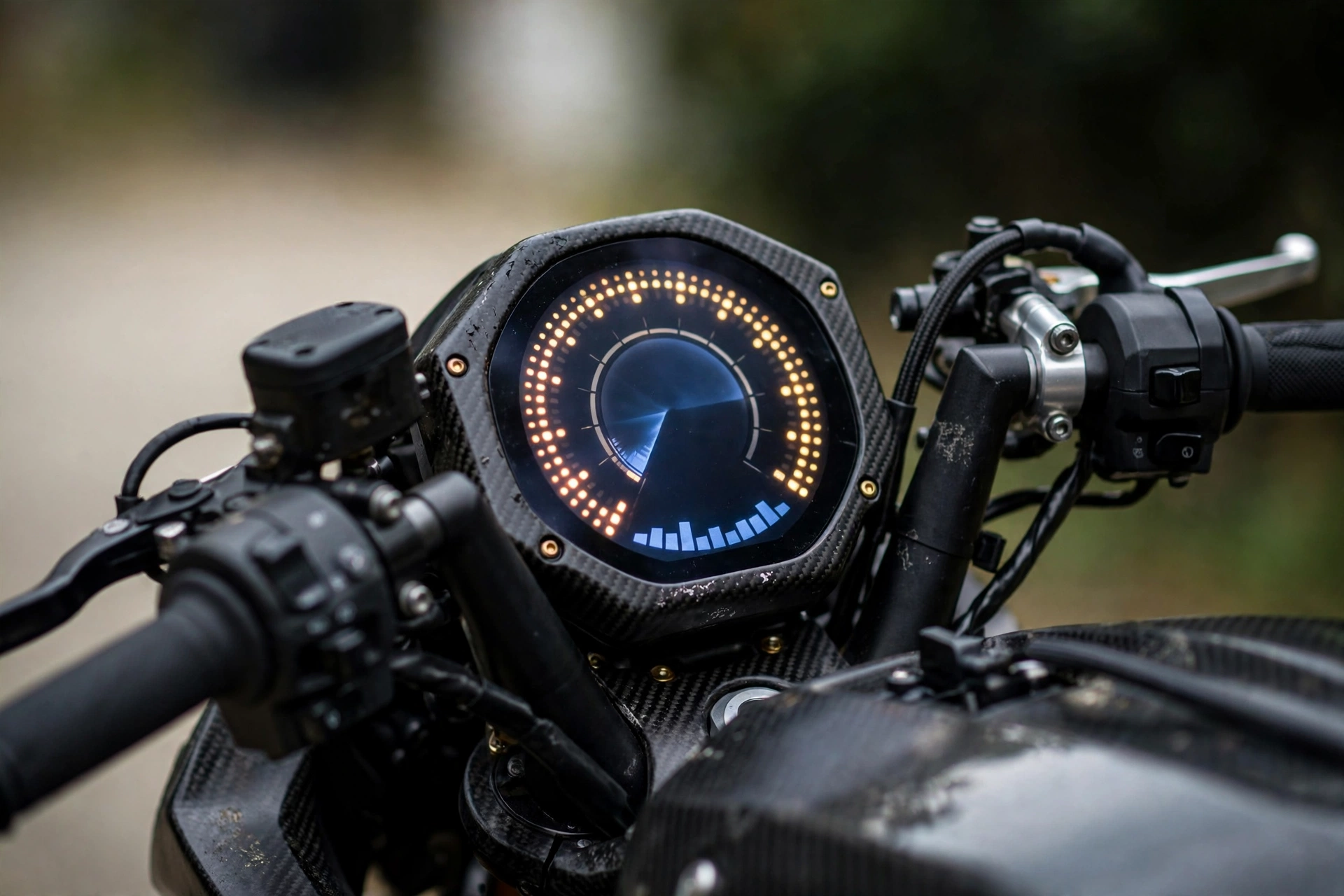
For years, the Fireblade lagged behind European rivals on rider electronics, relying on mechanical excellence instead. The 2017 redesign changed that, introducing a proper electronics suite: selectable riding modes, traction control, wheelie control, and cornering-aware ABS, all managed through a modern dashboard. The bike kept its soul but finally spoke the same digital language as its competitors.
2020: The RR-R Takes the Fight to the Track
The current flagship, the CBR1000RR-R, marked Honda’s most aggressive move yet. Developed with heavy input from Honda’s MotoGP racing program, it features a new engine architecture with titanium connecting rods, a higher rev ceiling, and aerodynamic winglets generating real downforce — technology straight off a Grand Prix bike. The message was clear: Honda wasn’t content to be the sensible choice anymore; it wanted to win superbike shootouts outright.
Key Specifications, Explained Simply
Spec sheets can be intimidating if you’re new to bikes, so here’s what the numbers actually mean, using the modern RR-R as the reference point. Treat all figures as approximate — Honda revises details by model year and market.
Engine: A 999.9cc inline-four cylinder engine — four pistons in a row, liquid-cooled. The inline-four layout is the classic superbike configuration: smooth, screaming at high revs, and enormously powerful.
Power: In the region of 215+ horsepower for the RR-R (the standard RR sits somewhat lower). To put that in perspective, that’s more than many family cars, in a vehicle weighing roughly a fifth as much. This is why the electronics matter.
Torque: Around 113 Nm. Torque is the shove you feel when you open the throttle; superbikes make most of theirs high in the rev range, which is why they feel explosive rather than grunty.
Weight: Roughly 200 kg wet (fully fueled and ready to ride) for the standard RR-R. In the superbike world, every kilogram counts, and Honda has always prioritized lightness.
Electronics: A six-axis inertial measurement unit (IMU) feeds data to cornering traction control, wheelie control, slide control, engine braking control, launch control, and cornering ABS. In plain English: an army of sensors watches what the bike is doing hundreds of times per second and intervenes before things go wrong.
Aerodynamics: The RR-R wears winglets on its fairing — small carbon-fiber wings that press the front wheel down at speed, improving stability and braking. A decade ago this was MotoGP-only technology.
Frame: An aluminum twin-spar frame, the standard superbike layout, designed to balance stiffness for precision with just enough flex for feel.
CBR1000RR vs CBR1000RR-R: What’s the Difference?
Walking into this as a newcomer, the two names look almost identical, and Honda doesn’t make the distinction obvious. Here’s the simple version: the RR is the street superbike; the RR-R is the track weapon that happens to be road-legal.
The RR-R gets the more aggressive engine with titanium internals and a higher rev limit, the aerodynamic winglets, and sharper chassis geometry. In some markets there’s also an SP version with top-shelf Öhlins electronic suspension and Brembo Stylema brakes — the kind of components you’d otherwise buy from racing catalogs.
The standard RR, meanwhile, keeps things slightly more civilized: a friendlier power delivery, ergonomics that won’t punish you on a longer ride, and a price that sits noticeably lower. For fast road riding, many experienced riders argue the standard RR is actually the better bike — you can use more of its performance more of the time, and it’s less demanding when you’re not riding at ten-tenths.
| Aspect | CBR1000RR | CBR1000RR-R |
|---|---|---|
| Character | Refined street superbike | Track-focused flagship |
| Power | Strong, usable delivery | Higher peak output, racier top end |
| Aerodynamics | Conventional fairing | Winglets generating downforce |
| Best for | Fast road riding, occasional track days | Serious track work, racing ambitions |
| Price position | Lower | Higher (SP version higher still) |
What It’s Like to Ride
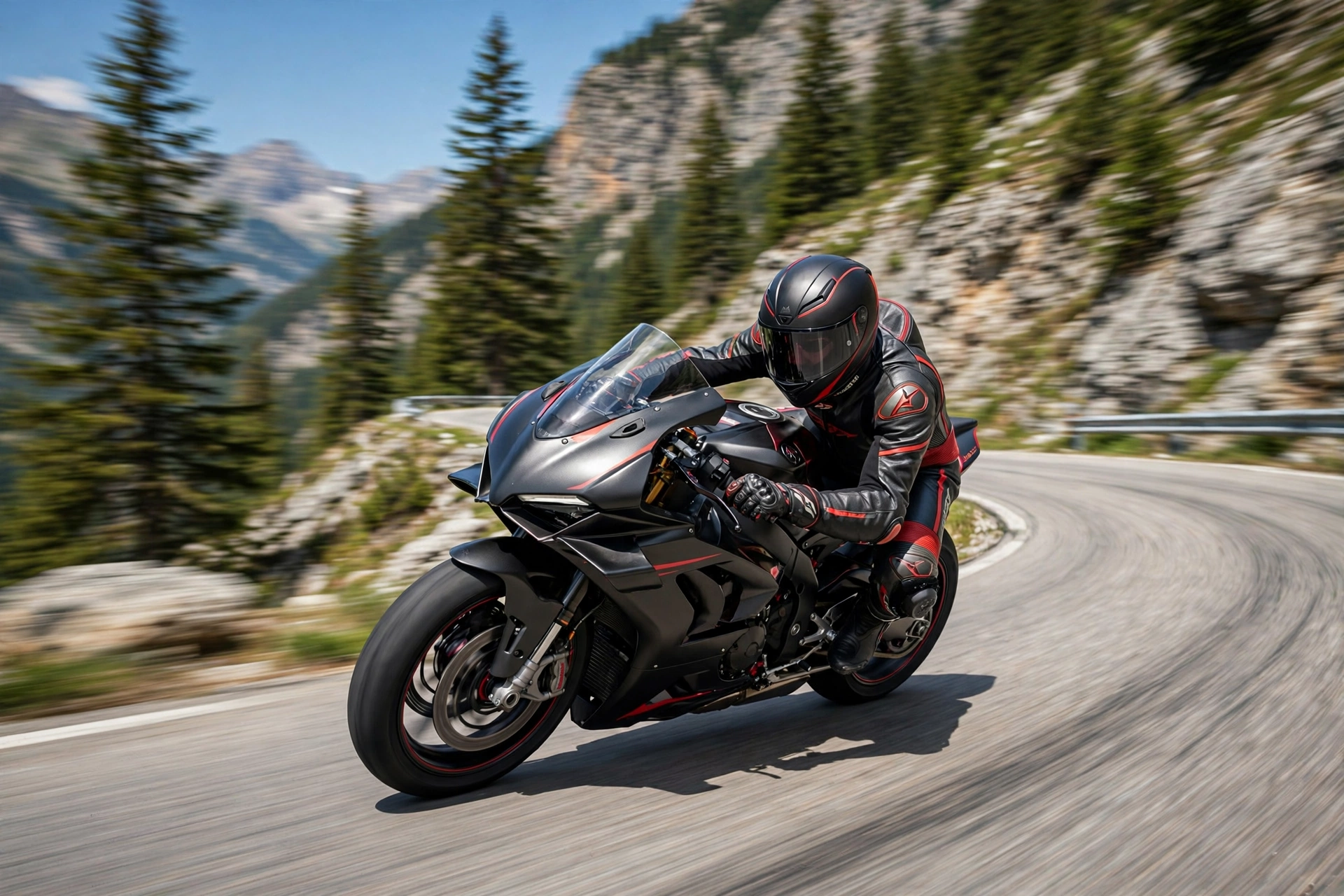
Here’s where the Fireblade’s decades-old philosophy pays off. The first thing that strikes you about a CBR1000RR isn’t the power — it’s how unintimidating everything else feels. The riding position is committed but not torturous. The throttle response is precise rather than snatchy. The bike changes direction with a lightness that belies its litre-class status. Honda’s engineers have spent thirty years making very fast motorcycles feel manageable, and it shows.
Open the throttle properly, though, and there’s no mistaking what you’re on. The inline-four howls toward its stratospheric redline and the world blurs in a way that rearranges your understanding of “fast.” The electronics work invisibly in the background — the traction control trimming power when the rear tire starts to spin, the wheelie control keeping the front wheel politely near the ground — so the violence feels controlled rather than chaotic.
On a racetrack, the RR-R in particular is devastatingly effective: stable under braking, planted through fast corners, and with drive out of slow turns that has to be experienced to be believed. On the road, the standard RR is the sweet spot — all the character and precision, in a package you can actually enjoy without riding at license-losing speeds everywhere.
It isn’t perfect. The committed riding position gets tiring in town, the engine generates serious heat in traffic, and fuel range is modest if you’re enthusiastic with the throttle. But as a pure riding experience — the connection between rider, machine, and road — it remains the benchmark for a reason.
| Pros | Cons |
|---|---|
| Legendary handling balance and rider feel | Uncomfortable for long touring or commuting |
| Honda reliability and build quality | Serious heat buildup in slow traffic |
| Full modern electronics suite keeps you safe | Performance far exceeds what public roads allow |
| Strong resale value and enthusiast community | Insurance and running costs are superbike-grade |
Is the CBR1000RR Good for Beginners?
Let’s be direct: no. And this isn’t gatekeeping — it’s physics and genuine concern for your safety. A CBR1000RR makes roughly four to five times the power of a typical beginner-friendly motorcycle, weighs about the same, and responds to throttle inputs with an immediacy that leaves zero margin for the mistakes every new rider makes.
The electronics help, but they can’t repeal the laws of physics or compensate for a panicked grab at the throttle in a corner. Every experienced rider will tell you the same thing: you learn faster and have more fun on a smaller bike you can actually push, like a 300–400cc machine or a middleweight twin, than on a superbike you’re terrified of. The riders who eventually master litre-class bikes almost all started small.
Think of the CBR1000RR as a destination, not a starting point. Get a couple of years and many thousands of kilometers under your belt first — preferably including some advanced rider training or track instruction — and the Fireblade will still be there waiting. It’ll be a much better experience when you’re ready for it.
Buying a Used CBR1000RR: What to Check
The used market is where many riders meet their first Fireblade, and it’s a sensible route — these bikes depreciate, and Honda’s reliability means a well-kept example has plenty of life left. But superbikes live hard lives, so inspection matters more than with almost any other used vehicle.
Start with the service history. Regular oil changes with quality oil are the lifeblood of a high-revving engine; gaps in the record are a red flag. Check that scheduled valve-clearance services were done — they’re expensive, so skipped ones suggest corner-cutting elsewhere. Look at the tires: mismatched or squared-off rubber hints at neglect or hard use, while fresh quality tires suggest an owner who cared.
Inspect the frame and forks carefully for any sign of crash damage — scraped engine covers, bent levers, misaligned fairing panels, or fresh paint in odd places. A bike that’s been down the road at speed may have hidden structural issues. Check the chain and sprockets for wear, listen for cam-chain rattle on cold start, and make sure all the electronics cycle correctly when you turn the key.
Finally, verify the paperwork: clear title, matching frame and engine numbers, and no outstanding finance. Take a knowledgeable friend or pay for a pre-purchase inspection — on a bike this potent, it’s the best money you’ll spend. And when you need a break from horsepower talk, 9bio.co.uk is a good place to catch up on the entertainment world instead.
Frequently Asked Questions
What does CBR1000RR stand for?
CBR is Honda’s sportbike model prefix, 1000 denotes the litre-class engine size, and RR stands for “Race Replica” — indicating the bike’s racing-derived technology. It’s also famously known as the Fireblade, a nickname dating back to the original 1992 CBR900RR.
How fast is the CBR1000RR?
Like all Japanese superbikes, it’s electronically limited to 299 km/h (186 mph) under a long-standing manufacturers’ agreement. In practice, acceleration is the more relevant measure — it reaches highway speeds in a couple of seconds — and the RR-R’s track performance is limited more by rider courage than by the machine.
What’s the difference between the CBR1000RR and the CBR1000RR-R SP?
The SP is the top-tier version of the RR-R, adding premium Öhlins electronic suspension, Brembo Stylema brake calipers, and a few other high-end components over the standard RR-R. Think of it as the RR-R with the racing catalog already fitted.
Is the CBR1000RR reliable?
Honda’s reputation for reliability is well earned, and the Fireblade is generally considered one of the most dependable superbikes you can buy. Regular servicing — especially oil changes and valve checks — keeps it that way. As with any high-performance machine, neglected maintenance is the main enemy.
Can you tour on a CBR1000RR?
You can, but it’s not what the bike is for. The aggressive riding position becomes uncomfortable after a couple of hours, there’s minimal wind protection compared to a sport-tourer, and luggage options are limited. Owners who tour on them tend to be young, flexible, and philosophical about discomfort.
What are the CBR1000RR’s main rivals?
The litre-class superbike segment includes Yamaha’s YZF-R1, Kawasaki’s Ninja ZX-10R, BMW’s S 1000 RR, Ducati’s Panigale V4, and Aprilia’s RSV4. Each has its own character — the Honda’s traditional strength has been balance, refinement, and rider-friendliness rather than outright excess.
Read Also: How to Clean an Oven (2026 Guide): Natural & Commercial Methods That Actually Work
#cbr1000rr

Related Articles
Mazda CX-50 (2026 Guide): Trims, Hybrid, Specs, Price and Full Review
The Mazda CX-50 is a two-row crossover with standard AWD and gas, turbo, and hybrid powertrains.…

How Artificial Intelligence Is Quietly Reshaping Everyday Work
AI did not arrive with a single dramatic moment. It seeped into offices through small conveniences,…

How to Wash a Wool Blanket (2026 Guide): Hand Wash and Machine Steps
Wool blankets need gentle care to stay soft and shrink-free. This guide covers hand washing, machine…
1 Comment